Dreaming Beyond Limits
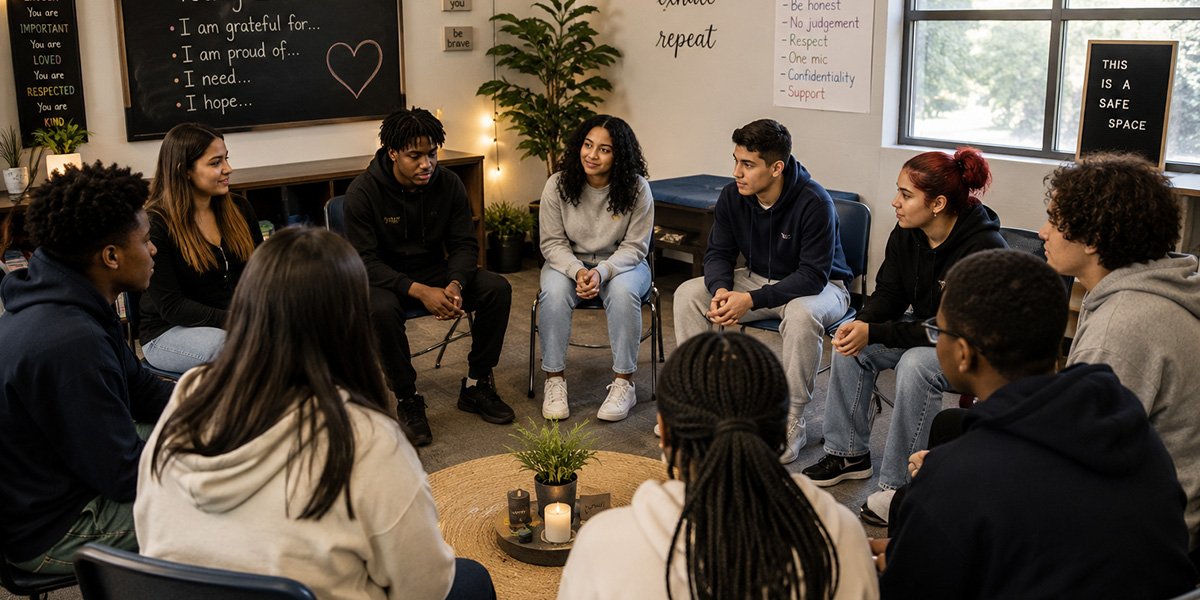
As we wrap up another school year, I keep thinking about a moment from one of our morning healing circles that perfectly captured the heart of our students.
We were talking about the future; jobs, goals, life after school, when one student quietly shared that one day he wants a family of his own. He wants to be married. He wants children. He wants a home filled with love and stability.
Then he asked a question that sat heavy in the room:
“Why can’t I dream big too?”
And honestly, I have been carrying that question with me ever since.
As educators working with students with special needs, we spend so much time teaching employability skills, communication, budgeting, independence, and workplace readiness. But this year reminded me that our students are carrying something even bigger than goals on paper.
They are carrying hope.
Hope that they will be included.
Hope that they will be seen.
Hope that people will look beyond labels and diagnoses long enough to notice their gifts, humor, kindness, intelligence, and potential.
And during Mental Health Awareness Month, I think it is important to acknowledge something powerful: hope directly impacts mental health.
When people feel seen, included, valued, and believed in, it changes how they view themselves and their future. Hope gives people a reason to keep trying. It builds confidence, resilience, emotional safety, and self-worth. For many of our students, being included is not just about opportunity, it is deeply connected to their emotional well-being and mental health.
Every single morning, our students showed up wanting what everyone else wants:
To belong.
They showed up hoping to be accepted by peers, trusted by employers, included in conversations, and welcomed into a world that too often underestimates them before they even speak. They showed up wanting to contribute to the workforce, earn a paycheck, build friendships, gain independence, and feel like a valued part of society.
They want to feel normal.
Not because there is one definition of “normal,” but because they want the same opportunities, respect, and dignity that everyone else desires. They want to be seen not as exceptions or limitations, but as people capable of growth, purpose, love, and contribution.
And this year, I watched them prove that over and over again.
I watched students push through anxiety during interviews and celebrate getting hired. I watched students learn patience, flexibility, and teamwork in real workplaces. I watched students who once struggled to communicate begin advocating for themselves. I watched them support one another during difficult days and continue trying, even when life felt hard.
Some of our students worked in internships stocking shelves, assisting teachers, organizing merchandise, helping customers, caring for animals, and learning job skills that will carry into adulthood. Others practiced life skills, college readiness, budgeting, cooking, transportation training, and social communication. Every small step mattered because every step represented growth toward independence and confidence.
And maybe that is what people do not always understand about our students:
Their victories are often hard fought.
The world does not always make space for them easily. Yet they continue to show up anyway; hopeful, resilient, and still dreaming.
Dreaming about careers.
Dreaming about apartments.
Dreaming about college.
Dreaming about driving.
Dreaming about friendship.
Dreaming about love.
Dreaming about families.
Dreaming big.
As this school year closes, I hope more people begin to understand that our students are not asking for pity. They are asking for opportunity. They are asking to be included in classrooms, workplaces, and communities that recognize their value.
Because different does not mean less.
And support does not erase potential.
Inclusion matters.
Belonging matters.
And hope matters.
Because when people are constantly told what they cannot do, it impacts how they see themselves. But when they are encouraged, supported, included, and given opportunities to succeed, it strengthens not only their confidence, but their mental and emotional well-being too.
Our students deserve futures filled with purpose, dignity, possibility, and hope.
So maybe the real question is not:
“Why can’t they dream big too?”